
Medical devices provide direct entry points for bacteria that standard hygiene cannot fully address
Device sites are prone to irritation, moisture damage, and breakdown that progresses quickly without proper treatment
Correct care requires specific knowledge and techniques that most family members have not been trained to provide
Tube feedings must deliver complete, balanced nutrition in the correct volume and rate to be safe and effective
Devices can malfunction, become displaced, or require troubleshooting that families cannot safely manage alone
Living with medical devices affects self-image and daily life in ways that require acknowledgment and support
Management of Foley catheters, suprapubic tubes, and intermittent catheterization programs using evidence-based infection prevention protocols and regular site assessment
Appliance changes for colostomies, ileostomies, and urostomies with consistent skin barrier protection, peristomal skin assessment, and supply coordination with providers
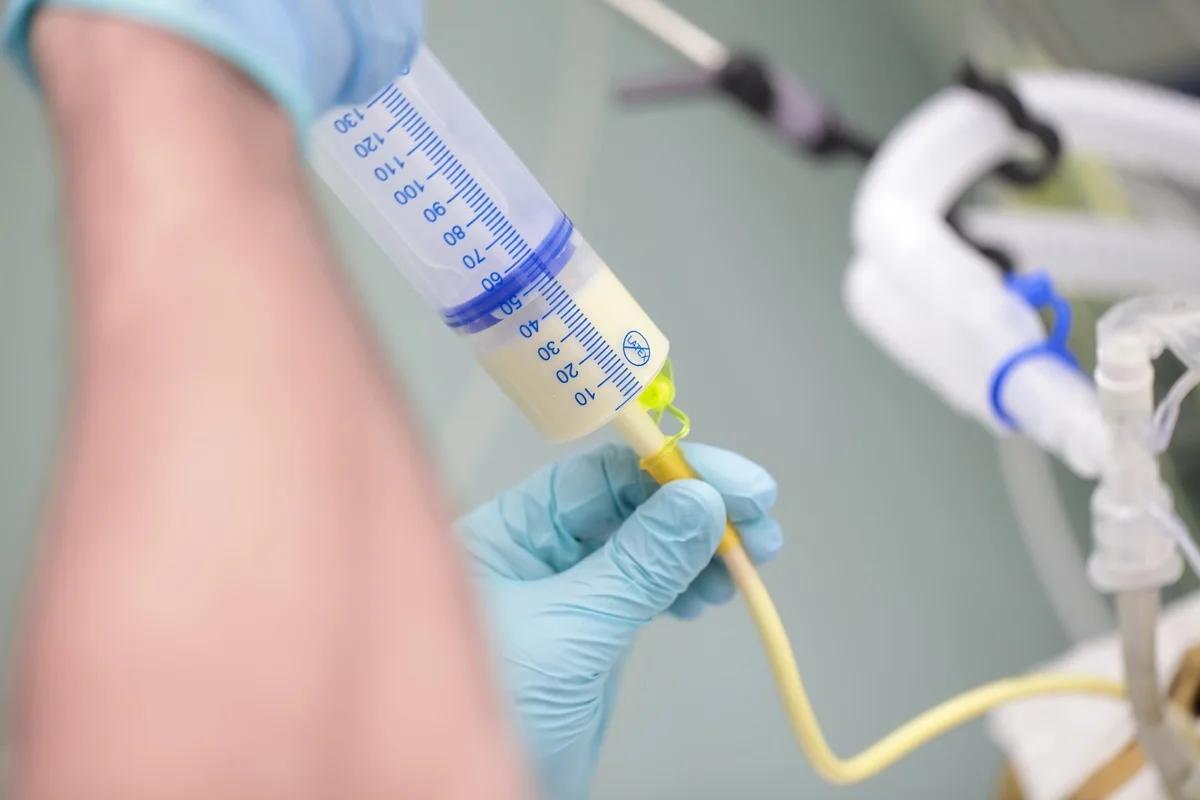
Maintenance of nasogastric, gastrostomy, and jejunostomy tubes, including placement verification, patency checks, and site care at each visit
Formula preparation and delivery according to physician-prescribed schedules, with monitoring for tolerance indicators, including residual volumes and patient response
Systematic evaluation of all insertion and stomal sites at each visit, with treatment of early skin changes before breakdown occurs
Clinical problem-solving for device malfunctions, including blockages, leaks, and displacement, with physician coordination when replacement or intervention is required
Structured, hands-on training for family caregivers covering daily care tasks, complication recognition, and clear protocols for when to call for help
Yes. Ostomy care is specifically designed for home management. Our nurses perform changes initially, then teach family members and patients how to do their own care independently when appropriate.
A clogged tube can often be cleared using proper flushing technique — something our nurses are trained to do safely. A displaced tube requires immediate physician contact and coordination for reassessment and replacement. We teach families prevention strategies to reduce both occurrences and clear protocols for what to do if either happens.
That’s okay. We’re here to help you figure it out. Even if we’re not the right fit, we’ll point you in the right direction.