
Homes designed for able-bodied adults can become obstacle courses when mobility decreases, balance becomes unsteady, or chronic conditions make standard home features difficult or dangerous to use. Stairs, bathtubs, narrow doorways, and inadequate lighting can create fall risks and limit independence. These barriers often force people to leave homes they love when the right modifications could allow them to remain there safely.
At Nursing Styles, we help families identify and coordinate the home modifications needed to make living spaces safer and more accessible. Our nurses and care team evaluate each client’s clinical needs, mobility challenges, and daily routines to determine where safety improvements can make the greatest difference.
When modifications are recommended, the work is completed by our trusted partner company, PLC Construction & Remodeling, a licensed and insured Florida residential contractor specializing in accessibility upgrades and aging-in-place solutions. Together, our teams evaluate homes, recommend practical improvements, and coordinate the installation of modifications that allow seniors and individuals with disabilities to remain in their homes safely and comfortably.
The results are meaningful and measurable: reduced fall risks, improved accessibility for mobility aids, greater independence in daily activities, and peace of mind for families who know their loved ones are living in a safer environment. In many cases, the right home modifications can make the difference between staying at home and needing facility-based care.
Home safety risk is not evenly distributed. Certain rooms, transitions, and features account for the overwhelming majority of fall incidents and accessibility failures. Clinical assessment maps these concentrations precisely rather than treating the whole home as equally risky.
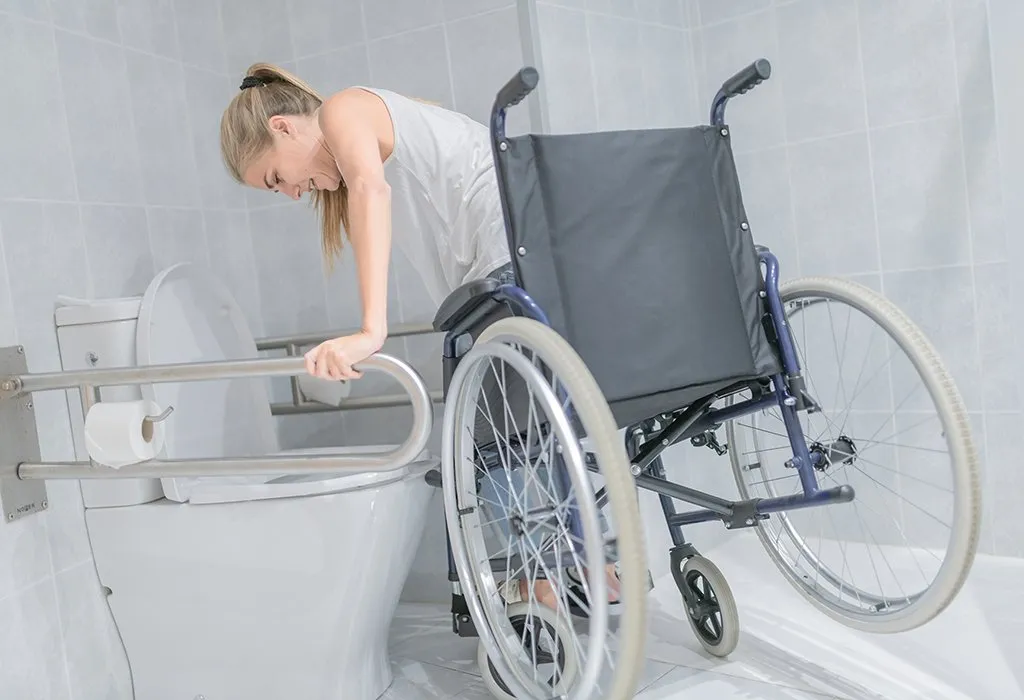
Bathrooms are consistently the highest-risk environment in residential settings. The combination of wet surfaces, confined spaces, and the physical demands of bathing and toileting creates conditions that expose balance and mobility limitations in ways that other rooms do not.
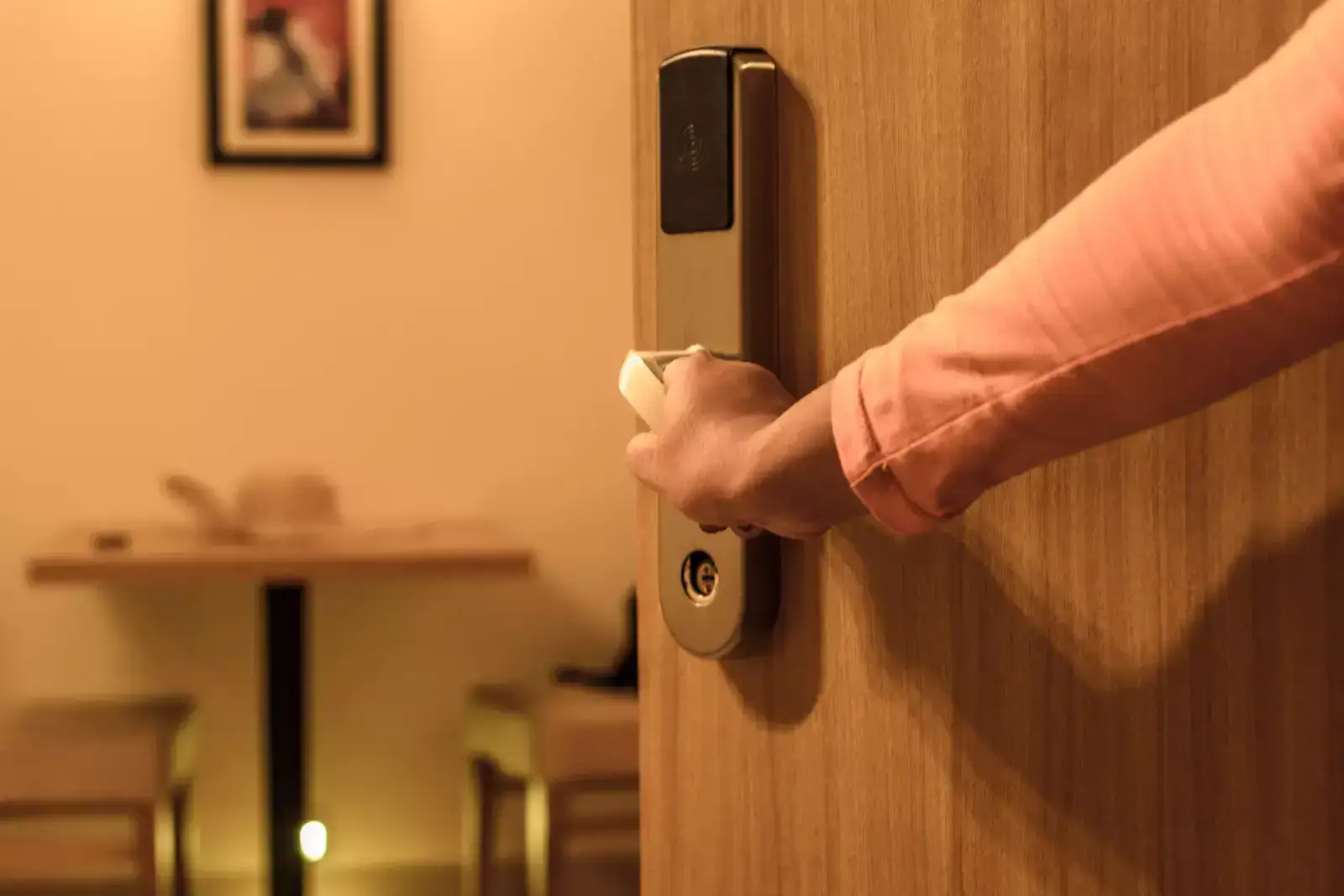
Entries, exits, and vertical transitions are the second major category. Steps without handrails, threshold gaps between flooring types, and doorways too narrow for mobility equipment limit where a person can go and how safely they can get there. These features often go unaddressed because they are familiar and have not yet caused an incident.
Lighting failures concentrate risk at night, when the majority of serious home falls occur. Hallways, bathrooms, and stairwells that seem adequately lit during the day become genuinely hazardous in low-light conditions for anyone whose vision, balance, or reaction time has changed.
Difficulty walking, standing, or moving through the home safely without support
Unsteadiness that increases fall risk in multiple areas of the home
Home features that create barriers to movement or daily independence
Standard tubs and toilets that have become too difficult or dangerous to use
Poor lighting or low contrast makes navigation difficult, especially at night
New physical limitations that the existing home layout does not support
Diagnoses that will require increasing adaptation as the condition advances
Walk-in showers or tub-to-shower conversions, grab bar installation, raised toilets, non-slip flooring, improved lighting
Ramps for wheelchair access, stair railings, stairlifts for multiple-level homes, improved entrance lighting, and handrails
Door widening for wheelchairs, lever-style door handles, lowered light switches and thermostats, accessible kitchen modifications
Improved overall lighting, motion-sensor lights in hallways and bathrooms, elimination of shadows and dark areas
Removal of trip hazards, secure handrails, non-slip surfaces, and furniture arrangement for safe pathways
Adjustable bed installations, accessible closet modifications, emergency call systems
Room-by-room evaluation by experienced nurses identifying specific hazards and recommending priority modifications
Nurse-led walkthrough identifying hazards, accessibility barriers, and safety concerns specific to individual abilities and limitations
Determining which modifications carry the highest safety impact given the individual’s current condition and daily movement patterns
Designing changes that work together effectively while respecting home aesthetics and budget constraints
Working with experienced professionals who understand aging-in-place needs and proper installation techniques
Verifying modifications address identified concerns and making adjustments if needed
A contractor assesses what can be built. A nurse assesses what is actually creating risk for the person living in the home. Our nurses understand how conditions like stroke, balance disorders, and progressive diseases affect movement, so the modifications we recommend address real clinical needs rather than general best practices.
Our written assessment ranks modifications by safety impact based on the individual’s current condition and daily movement patterns. Families can implement the highest-priority changes first and plan remaining modifications as budget and timing allow.
Some permanent modifications require landlord approval. However, a number of effective options do not require structural changes, including grab bars with secure wall mounts, freestanding ramps, and furniture repositioning. We identify which modifications are feasible within rental constraints.
Yes. We help families understand what financial resources may apply before work begins. This includes veterans’ benefits programs, state and local assistance options, and other funding sources that may reduce or cover modification costs.
That’s okay. We’re here to help you figure it out. Even if we’re not the right fit, we’ll point you in the right direction.